.png)


.png)
Why Assisted Living Facilities Are the Ideal Choice for Seniors

It is difficult to decide on how to provide aging loved ones with the appropriate care. Assisted living homes offer a conducive environment where the elderly are assisted in their daily lives such as dressing, bathing, and medication but allowed to retain their independence.
They also provide socialisation, mental attention and physical exercises in these facilities to enhance their quality of life. There is specialized care offered to the persons having such conditions as Alzheimer or dementia and the structured day programs where community and purpose are encouraged.
Hospice is the caring of the dying, special attention is given to the management of pain and emotional conditions. Alternatively home health care, enables the elderly to enjoy the benefits of medical care in their comfort zone and hence chronic illnesses and recovery are more manageable.
Both care options are critical in addressing the needs and desires of the seniors so that they can make great decisions that impact the well-being of their loved ones.
What are the key benefits of choosing an assisted living facility for elderly individuals?

The decision to use an assisted living facility in the elderly provides a number of benefits that guarantee their comfort, safety, and well-being. The services offered in these facilities are help with the daily activities including bathing, dressing, eating, and administration of drugs so that seniors can enjoy the independence they deserve and at the same time receive the care they require. They also provide a safe atmosphere where employees are available 24 hours a day to take care of emergencies or health complications giving a sense of security to both the elderly and his or her family.
Moreover, assisted living homes provide numerous social programs such as physical activities, crafts and hobbies, and outings, which keep the elderly active mentally and physically, creating good health and diminishing isolation. Most are also equipped with healthcare personnel on-site like nurses or doctors who check the health of residents and offer medical assistance whenever necessary especially to individuals with chronic illnesses.
These local communities have a social environment where they feel a sense of belonging thus the residents form friendships and have shared space. This not only makes them less lonely but also they have a supportive community.
Key Benefits:
Daily Assistance: Assistance with daily living, encouraging self reliance and yet maintaining care.
24/7 Support: 24/7 hour support is provided with security and emergency support.
Social Engagement: “Senior activities that keep them active both mentally and physically, and are not isolating.
Access to Healthcare: On-site physicians or nurses will ensure round the clock health checks and care.
How do assisted living facilities support seniors with chronic conditions like Alzheimer’s or dementia

ALFs are significant in preserving the elderly with chronic illnesses such as Alzheimer or dementia. Such conditions may complicate the way people carry out their daily duties, and in many cases, such people need special help so that they would not be in danger or might be even comfortable. The targeted assisted living facilities are aimed at offering a supportive environment that meets physical and emotional needs. In these homes, elderly with Alzheimer or dementia are taken through personalized care plans which are determined by their conditions. Caregivers are educated to learn more about the peculiarities of dementia, memory loss, confusion, and mood swings. They help in day-to-day tasks, bathing, dressing, and eating and help in the timely usage of medications. Environment is usually made conducive and predictable and this would lessen confusion and anxiety among the residents.
Some benefits of assisted living facilities in helping the elderly with this Alzheimer or dementia include:
Individualized Care Plans: Plans designed to fit the individual needs and provide optimum care.
24/7 Supervision: The employees are present 24/7 to make sure they can help and keep things safe.
Safe Environment: This facility has secure environments to avoid wandering and falls.
Social Engagement: The activities will stimulate the cognitive function and alleviate isolation.
Memory Support: Cognitive therapies and memory care programs are used to preserve mental health.
What factors should families consider when selecting the best assisted living facility for their loved ones?
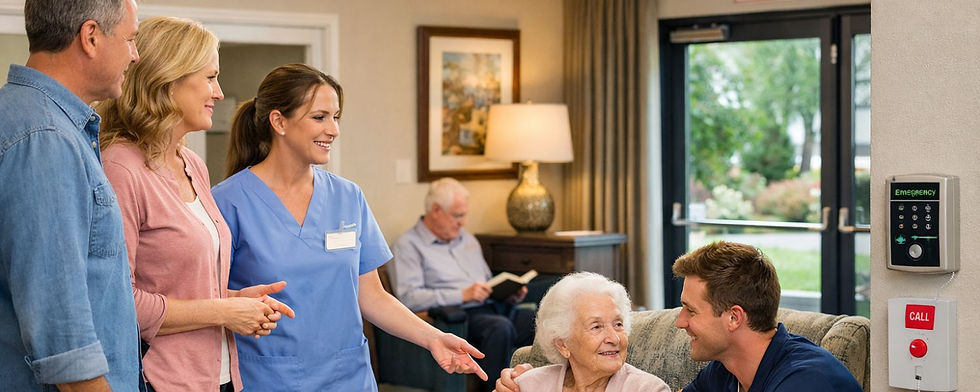
Families should pay attention to a number of factors when choosing the most optimal assisted living facility in order to make sure that the loved one will get the necessary care and live in a safe and comfortable place. The correct decision can considerably improve the quality of life of the senior, and one should have time and carefully consider the options.
The initial one is the extent of care. Individuals require varied needs and the facility must be in a position to support individual needs, like assisting them in administration of medication, daily living aid or special attention to conditions, including Alzheimer or dementia. The staff-to-resident ratio should also be taken into consideration by the families to provide individual attention.
The location of the facility is also a point of concern. The most appropriate thing to do is to select a place in which the family members can go, which will enable them to be part of the care offered to their loved one. Minimization of risks is necessary through security features such as secure entrances, emergency call system, and accessibility.
The following are some of the critical considerations:
Care and Services: This is to guarantee that the facility provides the appropriate amount of care, ranging between the everyday help to the memory-higher care.
Location: Select a facility near enough so that the family can visit on a regular basis.
Price: Learn pricing and make sure it suits your budget. Search after transparency of charges.
Activities and Socialization: Assess the nature of activities offered to make sure that your loved one will not be bored with his activities.
Staff Qualifications: They should be trained, caring and have the capability to manage certain care requirements.
Reputation: Go online and look for reviews about the facility and have a discussion with families who have been using the facility.
How do assisted living facilities enhance social well-being and mental health for seniors?

Assisted living facilities are very vital in improving social wellbeing and psychological wellbeing of the elderly. Such communities aim to make seniors feel at ease, involved, and very active in an engaging environment.
These facilities can be used to fight loneliness, depression, and cognitive decline (common among older adults), by providing socialization, purpose, and community feeling.
Mental health improvement is the social component of assisted living. The elderly get to make friends, engage in activities as groups, and feel a sense of purposes. Several of these places provide an opportunity to engage in such activities as art classes, group activities, game nights, and field trips and promote socialization and intellectual growth.
These activities will alleviate feelings of isolation and keep the seniors active in life, improving their mood and general mental health.
The following are some of the ways that assisted living facilities improve social and mental health:
Socialization Opportunities: Frequent communication with peers will minimise loneliness and promote emotional attachment.
Mental Stimulation: The mind is stimulated through activity such as puzzles, games and education programs.
Physical Activities: During the exercise programs, physical and mental health improves, decreasing stress and increasing mood.
Conducive Environment: Employees offer emotional support whereby seniors feel that they are valued and listened to.
Sense of Belonging: The fellowship environment makes the seniors feel that they belong to something that gives them security and comfort.
How do day programs in assisted living facilities help seniors maintain independence and improve their quality of life?

Assisted living facility day programs give the seniors organized, but free activities that enable them to remain independent and improve their general life quality. The programs are aimed at keeping the seniors active, engaged and connected within their communities, but also providing them with a feeling of accomplishment and purpose.
Through such programs, the seniors are able to maintain or enhance their capacity to complete their daily activities, in addition to getting the support and supervision that they may require as they grow older.
Day programs normally involve a variety of physical, mental and emotional activities. These may be exercise sessions, arts and crafts, memory activities, group discussion or field trips. These are not only fun activities, because it keeps the seniors on their mental and physical toes, as well as socially active.
These activities would aid the seniors to retain an increased cognitive ability and body movement that are central in retaining their independence.
The main advantages of day programs in assisted living centers are:
Physical Health: Exercises increase mobility and strength and improve physical health, decreasing the number of falls and increasing autonomy when carrying out daily tasks.
Mental Stimulation: Mental activities such as puzzle, memory, and education activities stimulate the mind and slow cognitive impairment.
Social Engagement: Day programs provide a socialization chance to the client and alleviate loneliness and give them a feeling of belonging.
Personal Achievement: Accomplishment by the seniors in the form of completion of activities makes them feel that they have reached a certain level of achievement which makes them have self-esteem and confidence.
What is hospice care, and how can it provide compassionate support for seniors in the final stages of life?

Hospice care is a specialized care that is aimed at offering a person care that is compassionate and supports people in the last stages of a terminal illness. Hospice care primarily aims at making a person comfortable, controlling pain and enhancing quality of life of the elderly who are approaching the end of life.
It focuses on holistic treatment of the person, focusing not only on the physical aspects of his or her well-being, but also on emotional, social and spiritual.
The hospice care is usually provided either at home, a hospice center or in assisted living facilities where seniors can be surrounded by loved ones in a calm and environment that they are familiar with.
A group of medical practitioners, physicians, nurses, social workers, chaplains, and trained volunteers collaborates to offer individualized care in a hospice. This team is the one that guarantees that the symptoms of the seniors like pain or discomfort are contained and the seniors can enjoy their last days on earth with dignity and minimal pain.
Hospice care equally provides emotional and psychological comfort to both the elders and their loved ones to enable them overcome the difficulty of end-of-life care.
There are main elements to hospice care and these are:
Pain and Symptom Management: The emphasis of this is put on relieving pain and symptom management so that the senior is as comfortable as possible.
Emotional and Spiritual Support: Counseling and spiritual support to the seniors and families to conquer emotional aspects of the end of life process.
Family Support: Provides resources, counseling and respite care to family members who have to balance caregiving and deal with grief.
Personalized Care: The service is designed to suit personal needs of the elderly, recognizing his or her desires and being comfortable.
Familiarity: Hospice will enable the elderly to be cared in a well known place either at home or in a familiar environment.
How does home health care benefit seniors who wish to remain at home while receiving professional medical assistance?

Home health care provides elderly to have the experience of getting professional medical care in their own home and therefore remain independent even as they are providing the required care. Homecare is a priority to most elderly people as they feel secure, at home and experience emotional comfort.
The home health care services are adjusted to suit the particular needs of the senior so that they receive a personalized attention that is likely to increase their livelihood quality.
A home-based system of medical and personal services includes a large variety of medical and personal care offered by professional caregivers nursing, physical therapists, and home health aides. These services may involve care of chronic illnesses, medication administration, physical therapy and help with daily routine activities such as bathing, dressing and eating.
Home health care assists the seniors to not spend time visiting and staying in hospitals frequently and thus they receive the care they require without necessarily moving out of their house set up.
The following are some of the major advantages of home health care to the elderly:
One-on-One Services: Services are provided based on the needs of the senior being served making sure that the senior receives the appropriate amount of care.
Independence: The elderly will be able to stay in their own homes and this will give them a feeling of self-sufficiency and dignity.
Comfort: Home is where seniors can feel more relaxed and safe and less stressful and anxious.
Familiar Environment: Seniors feel more comfortable and like being associated with their community by being in familiar surroundings.
Medication Management: At home health care professionals make sure that they take their medications properly and in time before complications occur.
Preventative Care: The Home care can further prevent the readmission of patients to the hospital as it will deal with the medical problems at an early stage and offer round-the-clock monitoring of the patients.
Family Support: Families can also be at peace knowing that such a loved one is under professional care at home.
Conclusion
Choosing the right care option for a loved one as they age is a critical decision that impacts their quality of life and well-being. Assisted living facilities provide a supportive environment that ensures seniors receive the care they need while maintaining their independence.
These facilities cater to seniors with various conditions, such as Alzheimer’s or dementia, and offer services like day programs to enhance social engagement and mental stimulation. For those nearing the end of life, hospice care offers compassionate support, focusing on comfort and dignity.
Home health care, on the other hand, allows seniors to remain in the comfort of their own home while receiving professional medical assistance, ensuring they feel secure and independent. Each of these care options plays a vital role in meeting the specific needs of seniors, offering them the care, respect, and support they deserve in their later years.
Families can benefit from a comprehensive understanding of these options, helping them make informed decisions that align with their loved ones’ needs and wishes. The goal is to ensure seniors live their later years with dignity, comfort, and the support necessary to thrive.
FAQ
Q. What is the difference between assisted living and nursing homes?
A. Assisted living provides support with daily activities for seniors who don't need constant medical care, while nursing homes offer more intensive medical care for those with serious health needs.
Q. How do day programs in assisted living facilities benefit seniors?
A. Day programs keep seniors engaged through activities that promote physical, mental, and social well-being, improving their overall quality of life and independence.
Q. Is hospice care covered by insurance?
A. Yes, hospice care is typically covered by Medicare, Medicaid, and most private insurance plans, but it's important to confirm coverage with your insurance provider.
Q. What services are included in home health care for seniors?
A. Home health care includes nursing, physical therapy, daily living assistance, and medication management, allowing seniors to stay at home while receiving professional care.


Comments